Store
Full catalog with molecular structure previews.

Research description: GLP-1 receptor signaling + bioanalytical method development
Semaglutide is commonly used as a laboratory reference material for studying GLP-1 receptor–mediated signaling pathways and peptide behavior in solution.
- Receptor binding / functional signaling assays (GLP-1R).
- Analytical method development (e.g., LC/MS workflows) and identity confirmation.
- Stability and handling studies (buffers, temperature, time).

Research description: Dual incretin receptor assay workflows (GIPR / GLP-1R)
Tirzepatide is often used in laboratory settings to evaluate receptor binding and downstream signaling in incretin receptor models.
- Binding / signaling assays across GIPR and GLP-1R model systems.
- Comparative potency benchmarking vs. other reference peptides in controlled assays.
- Bioanalytical identity / purity confirmation and stability checks.

Research description: Multi-receptor signaling models + analytical characterization
Retatrutide is typically used to explore multi-receptor signaling behavior in controlled laboratory assay systems and for analytical characterization workflows.
- Receptor signaling readouts in multi-target experimental designs.
- Method development for detection/quantification in bioanalytical setups.
- Stability/handling evaluations for storage and solution prep.

Research description: Peptide identity, stability, and in‑vitro assay controls
BPC‑157 is used as a research reagent in peptide-focused workflows where identity confirmation, stability profiling, and controlled assay setup are important.
- Identity/purity confirmation (e.g., LC/MS) and method development.
- Stability testing under different solution and storage conditions.
- Use as a control material in peptide handling and recovery experiments.

Research description: Analytical characterization + controlled lab assay workflows
TB‑500 is commonly used in laboratory peptide workflows for analytical characterization and controlled assay setup where careful handling and verification are required.
- Identity/purity confirmation and method development.
- Stability and solubility profiling under lab conditions.
- Recovery and adsorption testing in labware / buffers.

Research description: Mitochondrial-derived peptide models + bioanalytical workflows
MOTS‑C is used in laboratory contexts for peptide handling and bioanalytical workflows, including controlled in‑vitro model systems and method development.
- Controlled in‑vitro assay setups in metabolic signaling model systems.
- Detection/quantification method development (e.g., LC/MS).
- Stability/handling studies for storage and preparation conditions.

Research description: Metal–peptide interactions + analytical verification
GHK‑Cu is frequently used to study metal–peptide coordination behavior and to validate analytical methods for peptide complexes.
- Coordination/complex stability experiments under controlled conditions.
- Analytical identity confirmation and assay calibration material.
- Solution handling and storage stability checks.

Research description: GPCR signaling assays + analytical characterization
Ipamorelin is often used as a research reagent in controlled receptor signaling assay systems and for peptide-focused analytical workflows.
- Receptor binding / functional signaling readouts in assay models.
- Identity/purity confirmation and method development.
- Stability/handling studies (buffers, temperature, time).

Research description: Peptide assay controls + identity & stability profiling
CJC‑1295 (no DAC) is commonly used in laboratory assay contexts as a peptide reference and for analytical characterization and stability profiling.
- Controlled assay setup and benchmarking in peptide workflows.
- Identity/purity confirmation (e.g., LC/MS) and method development.
- Stability testing across storage and solution conditions.

Research description: Controlled assay workflows + analytical method development
Tesamorelin is used as a research reagent in peptide assay workflows and for analytical characterization, including controlled handling and stability profiling.
- Assay calibration / benchmarking in controlled experimental systems.
- Identity/purity confirmation and quantification method development.
- Stability and storage-condition evaluations.

Research description: Peptide handling, stability, and analytical verification
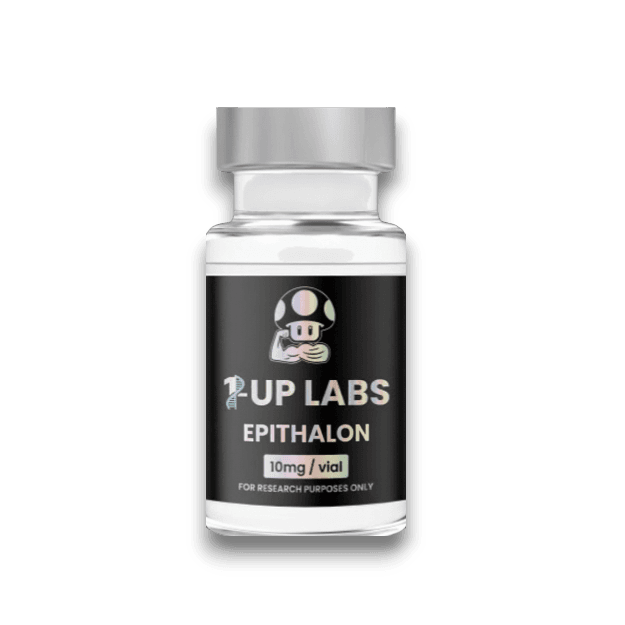
Epithalon is commonly used in laboratory peptide workflows focused on analytical verification, stability, and controlled preparation conditions.
- Identity/purity confirmation and method development.
- Stability profiling and storage-condition checks.
- Recovery and adsorption testing in labware / buffers.

Research description: Receptor signaling assay models + bioanalytical workflows
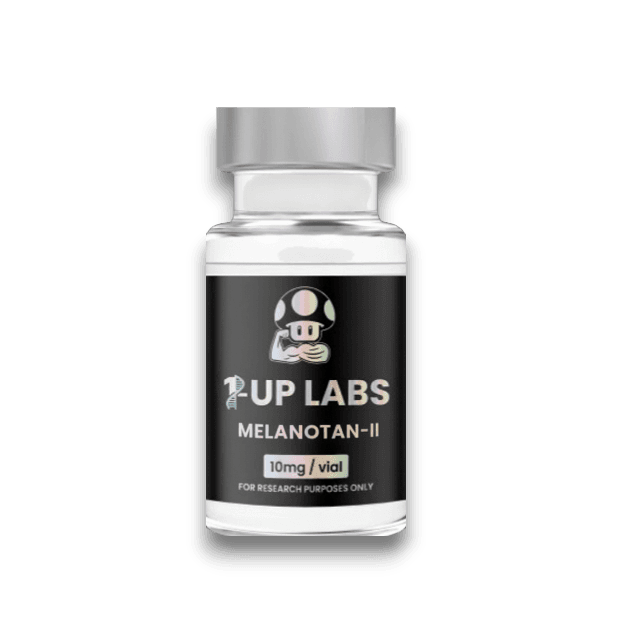
Melanotan‑II is often used in laboratory receptor signaling assay systems and for analytical characterization workflows for peptides.
- Binding / functional signaling readouts in controlled assay models.
- Identity/purity confirmation and method development.
- Stability/handling studies across common buffers and conditions.

Research description: Melanocortin receptor assay workflows + analytical verification
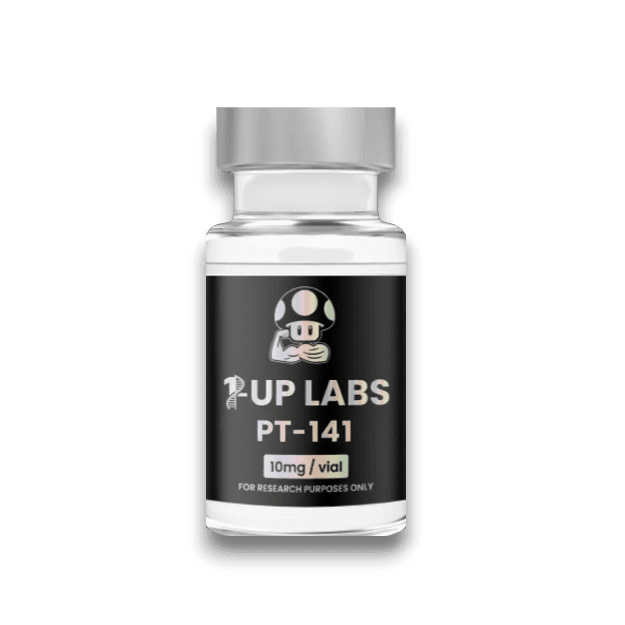
PT‑141 is used in laboratory contexts for controlled receptor assay workflows and for analytical verification of peptide identity and stability.
- Receptor binding / signaling readouts in assay model systems.
- Analytical identity confirmation and quantification method development.
- Stability testing under common preparation and storage conditions.

Research description: Biochemical cofactor experiments + analytical verification
NAD+ is widely used in biochemical and enzymatic assay workflows, including calibration, method development, and stability/handling verification.
- Enzymatic assay setups and reaction controls in biochemical workflows.
- Identity confirmation and quantitative method development.
- Stability checks under light/temperature/storage conditions.

Research description: Redox chemistry workflows + assay controls
Glutathione is commonly used in laboratory redox and analytical workflows as a standard/control material and for stability/handling studies.
- Redox reaction controls in biochemical assay systems.
- Analytical method development and quantitative verification.
- Stability and handling checks for oxidation-sensitive workflows.